
On Wednesday, October 1st, a fire burned down our entire grain operation – barn, tractor, grain cleaning and sorting equipment, and our entire stores of harvested grains, beans, and seeds. WE THEREFORE HAVE NO DRY GOODS TO OFFER AT THIS TIME. Grains, beans, and seeds were the bulk of our income, our sustenance in so many ways, and our contribution to a much-needed local food movement. The fire brought the loss of a completely independently-funded grain operation that brought farmers and millers from as far as the Shenandoah Valley for custom grain cleaning.
If you feel called:
- Pray for us, send positive thoughts, light a candle, or whatever you do, as we figure out our next step.
- Learn more thanks to this article written by Liz Reitzig at Nourishing Liberty.
- Become a part of our mutual web of support. It is the friends of our farm and family who catapulted into action in the aftermaths of the fire that make recovery feel doable. Any way in which you wish to be part of this community is welcome.
- Contact us if you wish to get your hands dirty and help with clean up efforts.
- Some friends of our family and farm have spearheaded fundraising efforts to help you help us if you wish to contribute to our rebuilding efforts.
- Next Step Produce Disaster Relief – thanks to Whitney and Wes Valcarcel.
- New Tractor Fund Silent Auction – thanks to Zoa Conner and Liz Reitzig. Find gift certificates for nourishing food, holistic health, and beautiful art by local artisans.
The History
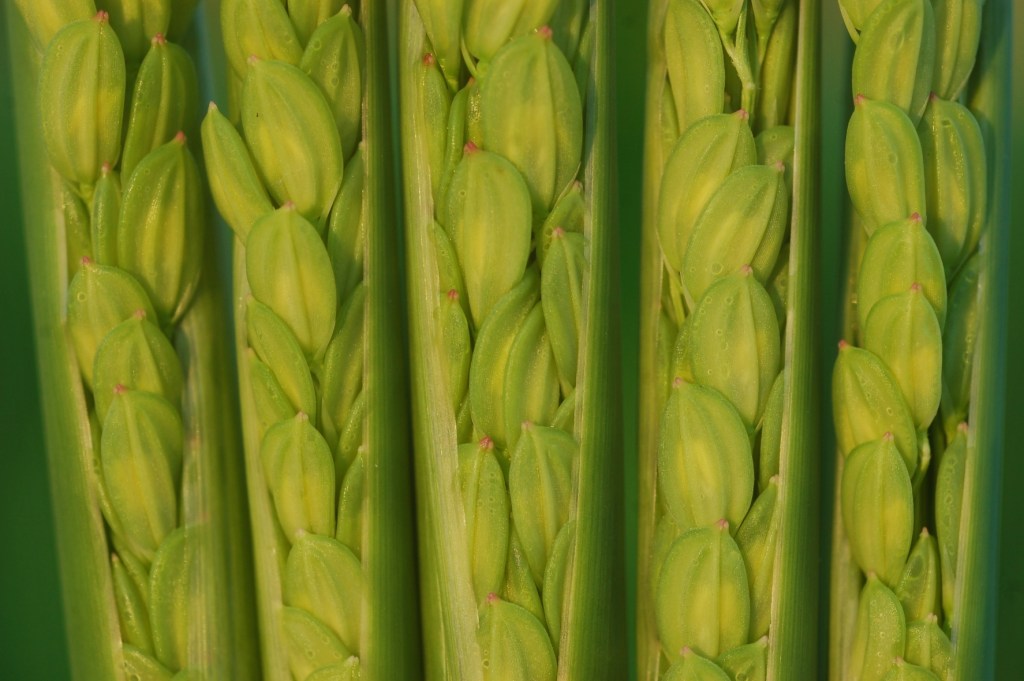
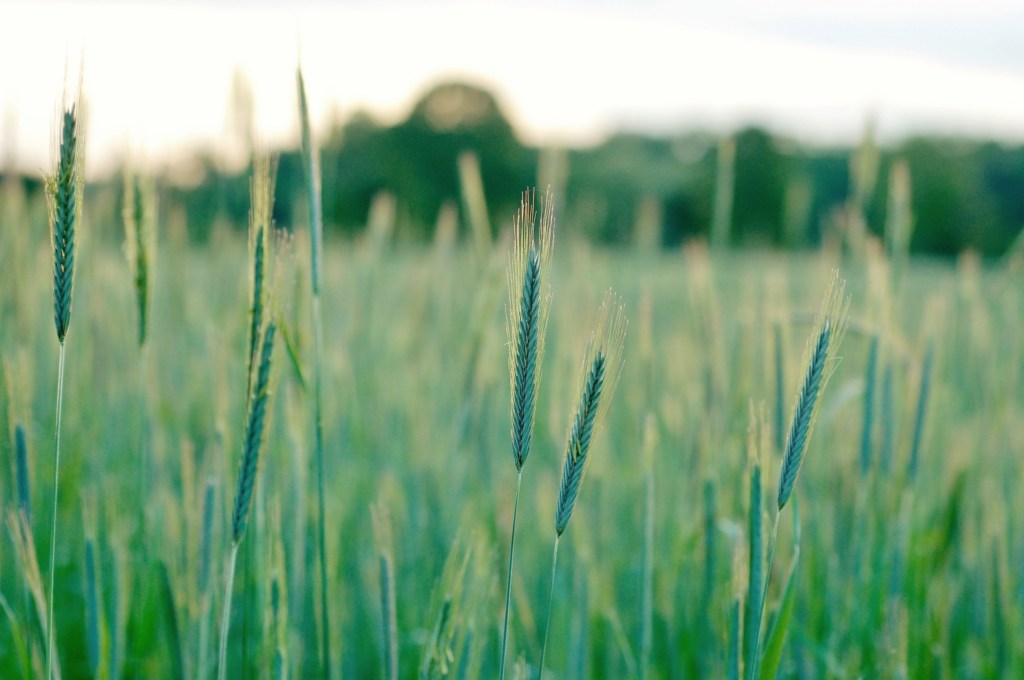
Originally, grains such as rye and oats were planted in between vegetable production as cover crops – crops planted not with the intention of consumption but with the intention of protecting the soil from water and wind erosion during the winter months, and to be incorporated into the soil, adding organic matter.
However, aware of a prominent void in the local food movement, in the fall of 2010 we sowed barley, rye, and wheat for consumption, and in the spring of 2011, we planted oats. In the summer of 2011, we harvested our first crop of grains for human consumption. From here we had a whole new set of challenges set about by the need for appropriate drying and storage practices as well as scaled cleaning equipment. That’s a whole other story.
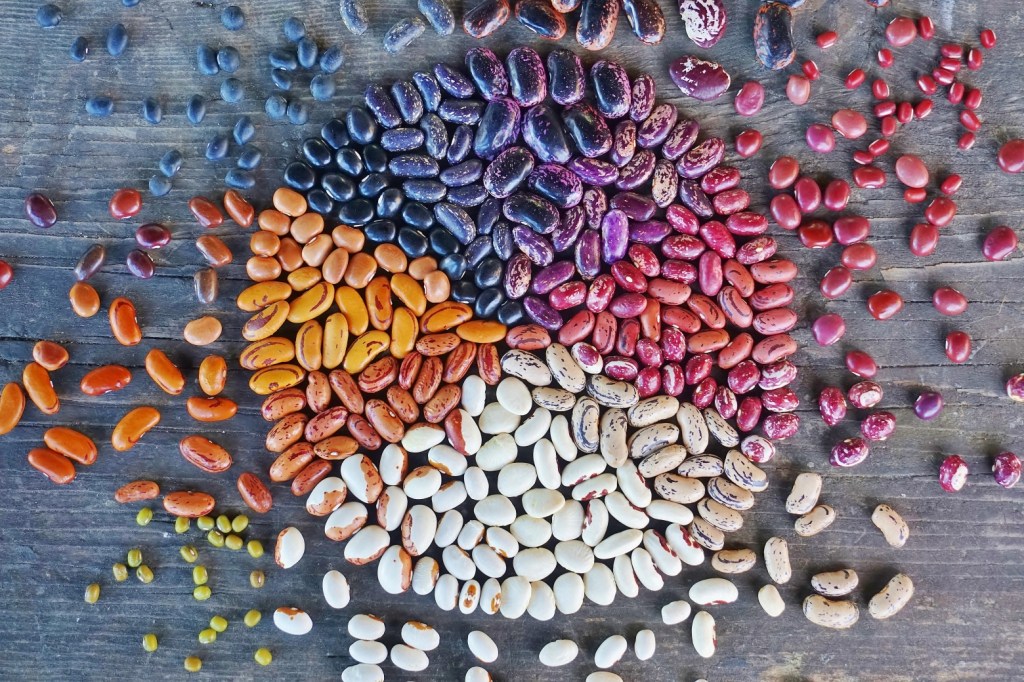
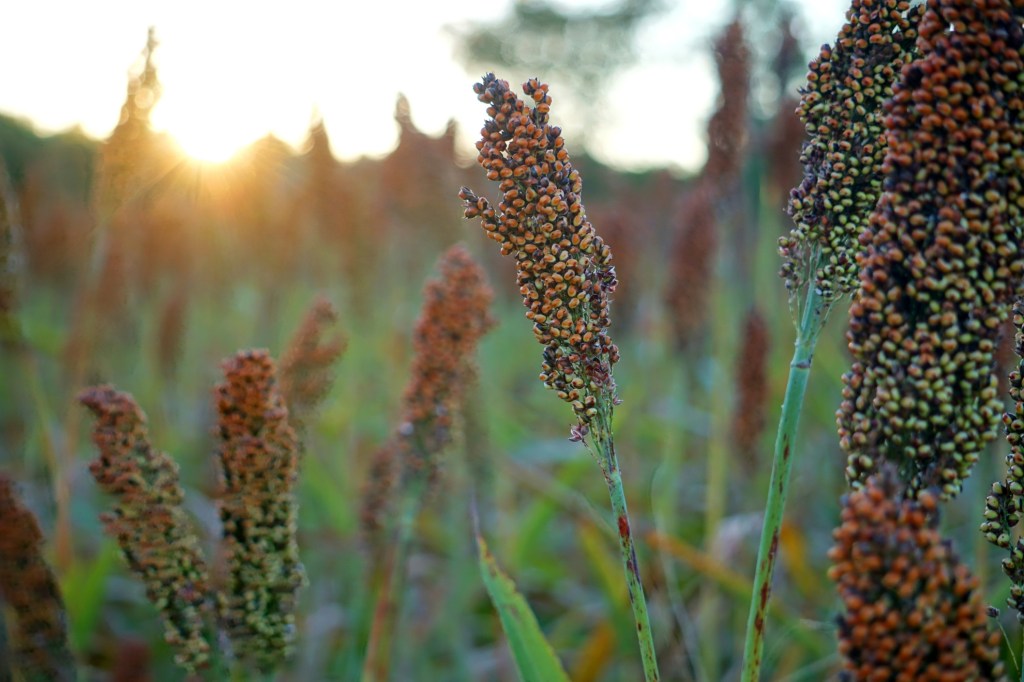
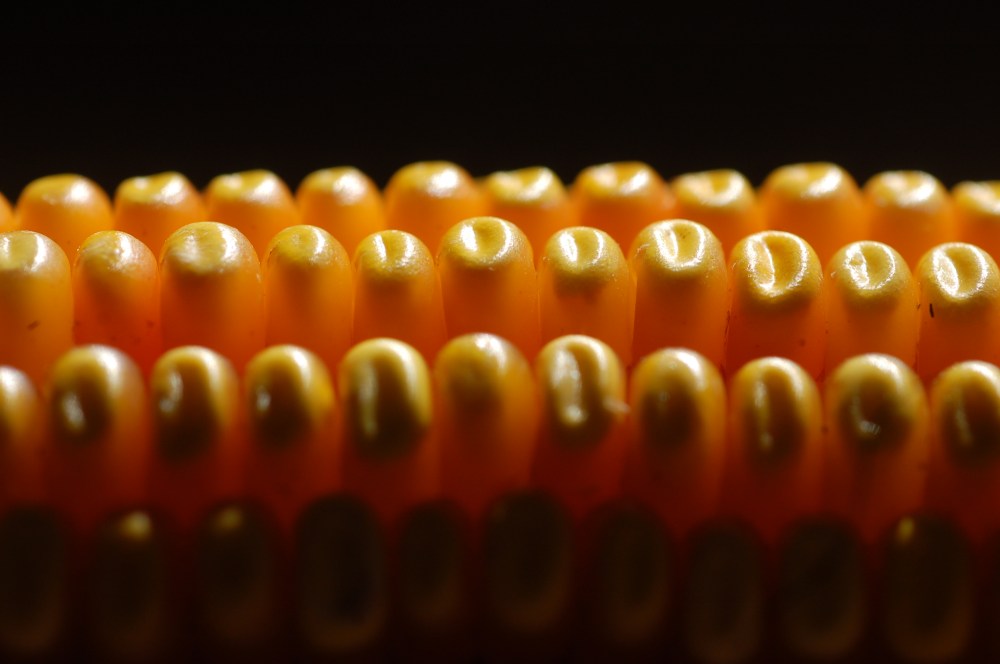
According to the agricultural extension officer, we would need 750 acres to “make a living” growing grain. Yet nothing which is currently grown at commodity scale is useful to the artisanal baker striving for delicious, nutritious bread. With 25 arable acres, we recognized the need to, again, as nature shows so well, diversify. We have since incorporated buckwheat, millet, sorghum, corn, rice, dry beans, mustard seed, and sesame seed into the rotation. We are also experimenting with sweet cane sorghum. Attentive planning and double-cropping over the course of the yearly cycle have resulted in a somewhat economically viable system yielding variety and quality that a baker can select for. In our grain fields, we polycrop with added camelina or flowers, mainly red poppies and blue bachelor’s buttons, which add diversity to the stand and provide food for the pollinators as for the soul.
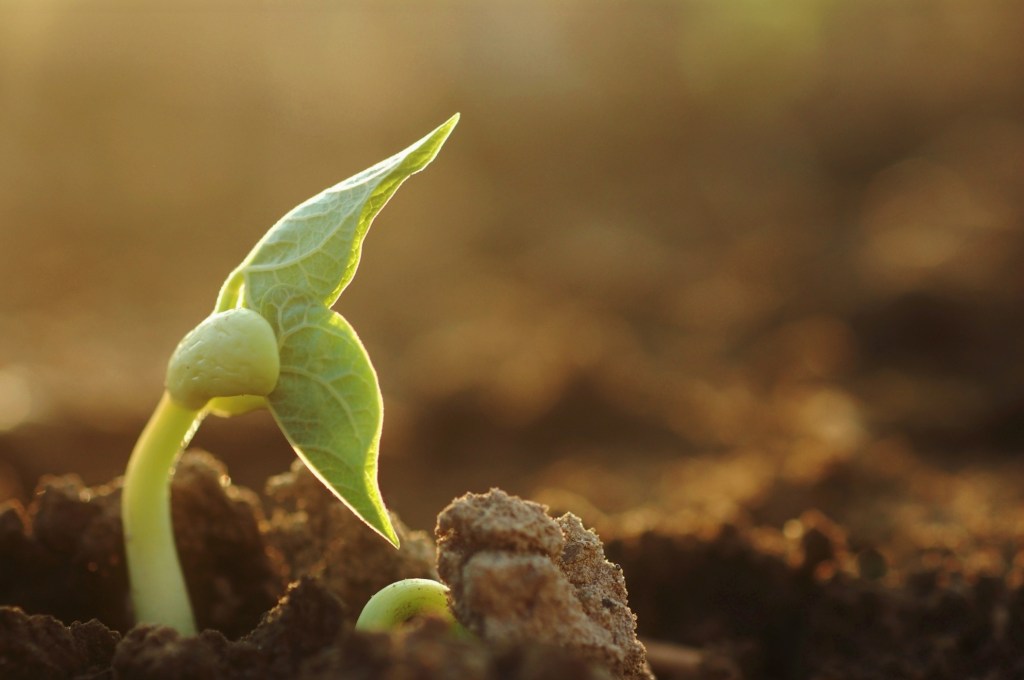
The underlying goal is to improve the soil and sequester carbon while producing nutrient dense food.
More Information On…
 nextstepproduce.com